
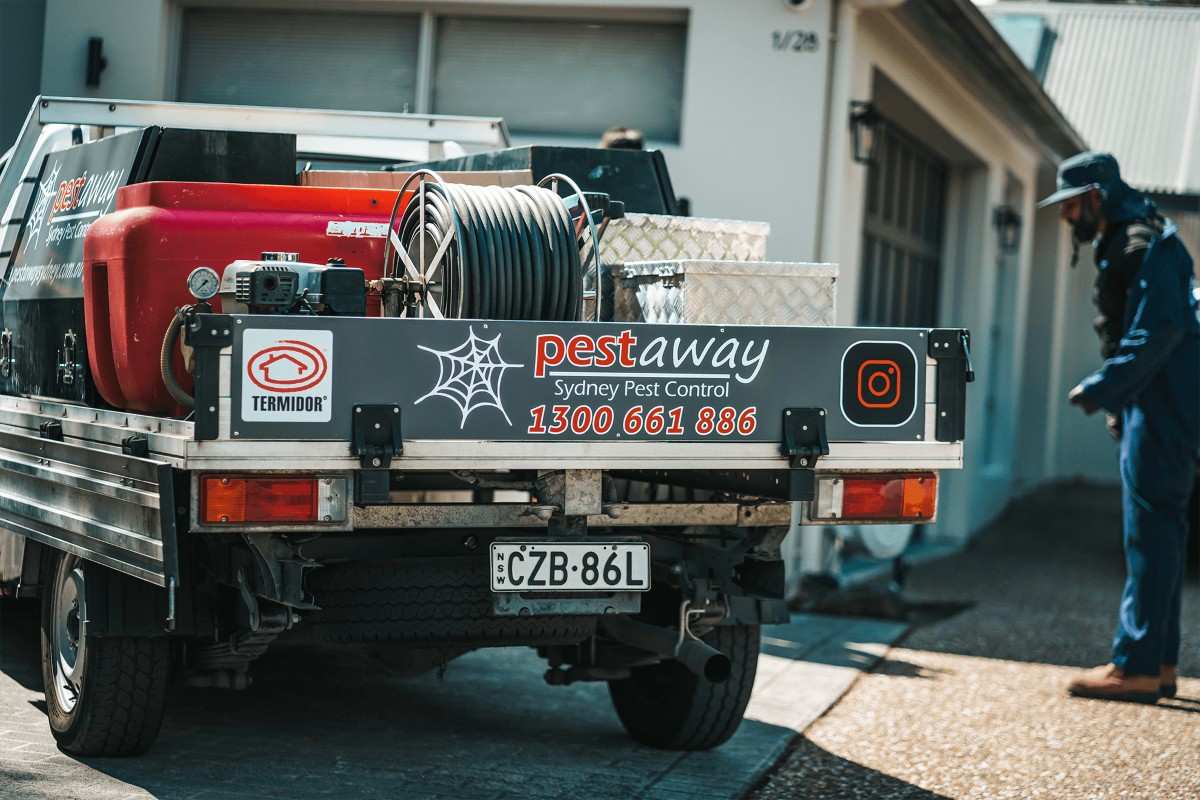
Booking a treatment is only half the job. The other half is getting the home ready so the technician can work quickly, safely, and thoroughly, with less chance of pests returning.
This guide explains how to prepare for pest control Springwood residents typically book in spring, including simple steps for kitchens, pets, gardens, and follow-up care.
Why does preparation matter before a pest treatment?
Preparation matters because access and hygiene directly affect results. When cupboards are cleared, clutter is reduced, and surfaces are ready, the technician can apply products where pests actually travel and nest.
It also helps protect belongings and reduces the chance of a missed area that becomes a re-infestation point.
When should they schedule pest control in Springwood?
Spring is popular because warming weather increases ant activity, cockroach breeding, and the movement of spiders and rodents. Booking early can help avoid long waits as local schedules fill up.
For many households, the best time is before the first major warm spell, especially if the property backs onto bushland or has a damp subfloor.
What should they tell the pest controller before the visit?
They should share the pest type, where activity has been seen, and any previous treatments. They should also mention children, pregnancy, fish tanks, cats, dogs, and any health sensitivities such as asthma.
If they want pest control Springwood technicians to focus on certain zones, they should list them clearly, such as the kitchen kickboards, roof void, garage, or under the house.
How should they prepare the kitchen and pantry?
They should clear worktops, wipe crumbs, and empty the space under the sink so the technician can treat harbourage points. Pantry items can stay, but it helps to pull food away from the back wall to reach corners.
For pest control Springwood appointments, they should also store fruit in the fridge, rinse recycling, and keep pet food in sealed containers to reduce ongoing attractants.
What should they do with cupboards, drawers, and storage areas?
They should empty or partially clear cupboards only if asked, but they should always make access easy. A good rule is to remove items from the bottom of pantry cupboards, bathroom vanities, and laundry cabinets.
If they are booking pest control Springwood services for German cockroaches, they should be ready to clear under appliances and around coffee machines, as warm motors and moisture are common hotspots.
How can they prepare living areas and bedrooms?
They should pick up floor clutter, move small furniture slightly away from walls, and vacuum edges where dust builds up. This gives the technician access to skirting boards, cracks, and entry points.
If a flea treatment is involved, they should wash pet bedding and be ready to vacuum thoroughly after the recommended waiting period.
What should they do in bathrooms and laundries?
They should remove items from the floor, clear around drains, and fix obvious moisture issues where possible. Cockroaches, silverfish, and ants often track water sources, so leaking taps and damp mats can undermine treatment.
For pest control Springwood homes with poor ventilation, they should run extractor fans where available and keep the area dry leading into the appointment.
How should they handle pets, children, and sensitive household members?
They should arrange for pets and children to be out of treatment areas, and they should follow any re-entry times provided by the technician. Cats, in particular, may rub along skirting boards, so keeping them away until surfaces are dry is important.
If they have fish tanks, they should tell the technician in advance, cover the tank, and turn off air pumps during treatment if advised.
What should they do in the yard, patio, and garden?
They should mow long grass, clear leaf litter, and tidy piles of timber, pots, and stored items that create shelter. They should also keep access clear to weep holes, fence lines, sheds, and outdoor taps.
When preparing for pest control Springwood treatments that include exterior spraying, they should pull outdoor furniture away from walls and ensure gates are unlocked if the technician needs side access.
Should they move cars, bins, and stored items in the garage?
Yes, if possible. They should move cars off the driveway and away from the garage walls so the technician can treat edges and entry points.
They should also pull bins out slightly and sweep loose debris. For pest control Springwood properties with rodent issues, garages are often critical because stored seed, pet food, and cardboard provide both food and nesting.
How can they reduce pest entry points before the appointment?
They should do a quick perimeter check and note obvious gaps. Typical fixes include replacing worn door seals, adding weather stripping, and repairing flyscreens.
They do not need to do major building work before pest control Springwood visits, but identifying likely entry points helps the technician target treatment and give practical sealing advice.
What happens on the day of the service?
They should expect an inspection first, then a treatment plan based on what is found. The technician may use gels, baits, dusts, residual sprays, or monitoring stations depending on the pest and the environment.
For pest control Springwood jobs, they should keep pets secured, keep windows accessible if ventilation is needed, and be ready to answer a few quick questions about where pests were seen.
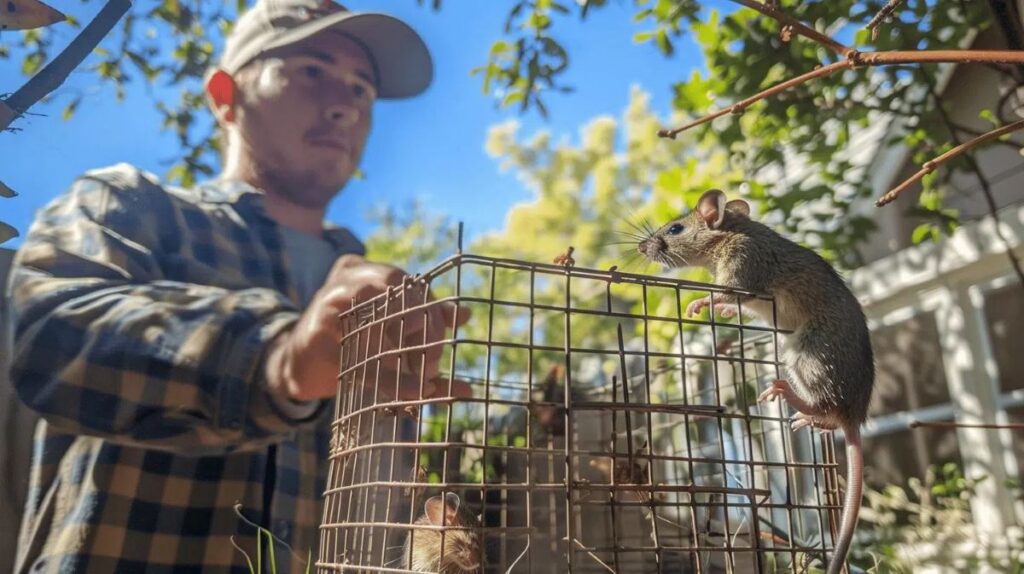
What should they do after treatment to get the best result?
They should follow the post-treatment instructions exactly, especially around cleaning and re-entry times. Many treatments work best when they are left undisturbed on skirting boards and cracks, so aggressive mopping straight away can reduce effectiveness.
After pest control Springwood services, they should also keep food sealed, take rubbish out regularly, and address moisture, because water and crumbs often bring pests back faster than the product wears off.
Other Resources : A Healthy Environment
How should they clean without ruining the treatment?
They should avoid washing treated surfaces for the period recommended by the technician. Instead, they can clean high-use areas that were not treated, and they can spot clean spills away from edges.
Vacuuming is usually fine, but they should avoid vacuuming dusts placed in voids. If they are unsure after pest control Springwood treatments, they should ask before doing a deep clean.
What signs show the treatment is working?
It is normal to see increased activity for a short period as pests contact treated areas. They may notice dead insects near skirting boards or reduced activity around food areas within days.
For pest control Springwood households dealing with ants, results can depend on the colony location, so the technician may recommend baiting and patience rather than immediate surface spraying.
When should they book a follow up or re-treatment?
They should book a follow-up if activity remains high after the expected timeframe given by the technician, or if new activity appears in a different zone. Some pests, such as German cockroaches and fleas, may require staged treatments.
If the home is high risk due to bushland edges, pets, or older construction, pest control Springwood providers may suggest a regular programme rather than a once-off.
What are the most common mistakes people make when preparing?
The biggest mistakes are leaving clutter in key areas, not reporting where pests were seen, and cleaning treated surfaces too soon. Another common issue is leaving pet food out overnight, which can keep cockroaches and ants active even after treatment.
They also sometimes forget outdoor prep, but exterior harbourage often drives indoor problems in Springwood.
What should they do if they rent or live in a strata property?
They should check their lease and speak with the property manager about responsibilities, especially for rodents, termites, or recurring infestations. In strata, some pests may originate in common property areas such as gardens, wall cavities, or shared roof spaces.
They should also notify neighbours if access is needed, since coordinated action can improve results.
How can they make pest control more effective long term?
They should treat pest control as a mix of professional treatment and simple prevention. Sealing gaps, reducing moisture, improving storage, and keeping gardens tidy will usually matter as much as the chemicals used.
With the right preparation and follow-up habits, pest control Springwood appointments tend to last longer and need fewer call-backs.
More to Read : Signs You Need Pest Control Norwest Sooner Rather Than Later
FAQs (Frequently Asked Questions)
Why is preparation important before booking pest control in Springwood?
Preparation is crucial because it ensures the technician can work quickly, safely, and thoroughly. Clearing cupboards, reducing clutter, and cleaning surfaces allow the pest control products to be applied effectively where pests nest and travel, reducing the chance of re-infestation and protecting your belongings.
When is the best time to schedule pest control treatments in Springwood?
Spring is the ideal season for pest control in Springwood due to increased ant activity, cockroach breeding, and movement of spiders and rodents. Booking early, especially before the first major warm spell, helps avoid long waits and addresses pest issues proactively, particularly for homes near bushland or with damp subfloors.
How should I prepare my kitchen and pantry for a pest control appointment in Springwood?
Clear kitchen worktops, wipe away crumbs, and empty spaces under sinks to expose harbourage points. Pantry items can remain but should be pulled away from back walls to reach corners. Store fruit in the fridge, rinse recycling bins, and keep pet food sealed to minimise attractants during your Springwood pest control treatment.
What precautions should I take regarding pets, children, and sensitive household members during pest control in Springwood?
Arrange for pets and children to stay out of treatment areas during the service. Follow any re-entry instructions provided by the technician. Keep cats away from treated skirting boards until surfaces are dry. Inform the technician about fish tanks so they can advise on covering tanks and turning off air pumps if necessary.
How can I prepare outdoor areas like gardens and patios for pest control services in Springwood?
Mow long grass, clear leaf litter, tidy piles of timber or pots that may shelter pests, and keep access clear to weep holes, fence lines, sheds, and outdoor taps. For exterior spraying treatments, move outdoor furniture away from walls and ensure gates are unlocked if side access is required by technicians.
What post-treatment care should I follow after pest control services in Springwood?
Follow all post-treatment instructions carefully, especially regarding cleaning restrictions and re-entry times. Avoid washing treated surfaces immediately to maintain effectiveness. Keep food sealed, regularly remove rubbish, and manage moisture issues like leaks or damp mats to prevent pests from returning after your Springwood pest control treatment.

Leave a Reply