
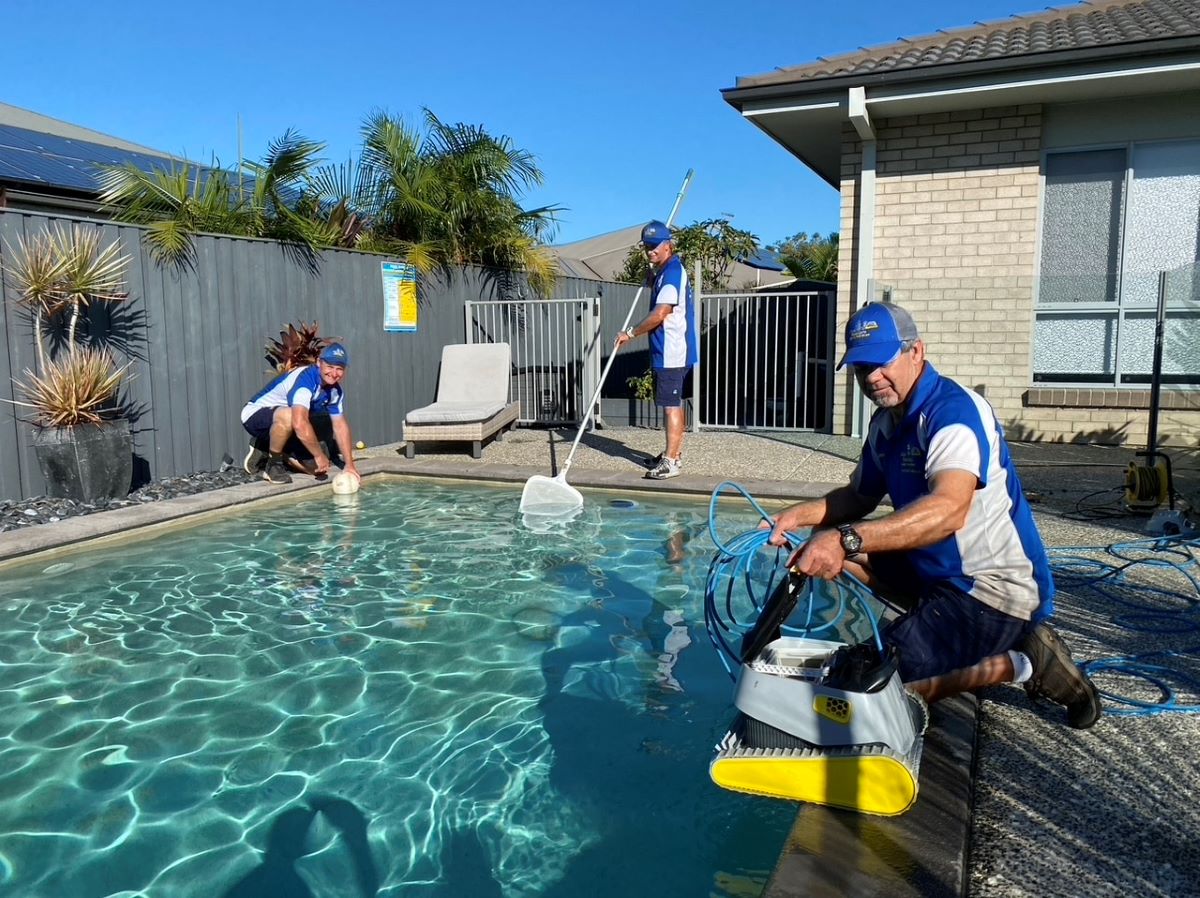
They should treat any quote as a scope of works, not just a number, because preparation and repairs often decide the final spend.
What is the typical pool resurfacing cost in Australia?
The typical pool resurfacing cost for many Australian backyards often falls between $6,000 and $18,000, with higher-end finishes or major rectification pushing it above that. Smaller plunge pools can be less, while large concrete pools with significant damage can exceed $25,000.
They can use that range as a guide only, because materials, labour availability, and regional pricing can shift totals quickly.
What factors change pool resurfacing cost the most?
Pool resurfacing cost is most affected by surface type, pool size, and the amount of preparation needed. The finish selected (paint, pebblecrete, quartz, or tiling), plus any crack repairs or bond coat work, can move a quote by thousands.
Access also matters. If trades need to hand-carry materials through a tight side gate in Sydney’s Inner West or Melbourne’s inner suburbs, labour time increases.
How much does it cost to resurface a pool with paint?
Painting is usually the lowest entry point for pool resurfacing cost, but it is also the most maintenance-sensitive option. Many Australian owners see paint quoted in the rough range of $4,000 to $10,000, depending on pool size, surface condition, and paint system (chlorinated rubber, epoxy, or hybrid systems).
They should factor in shorter lifespans and stricter water chemistry requirements, which can raise long-term costs.
How much does pebblecrete or exposed aggregate resurfacing cost?
Pebblecrete and exposed aggregate commonly sit in the middle of Australian pool resurfacing cost ranges, often around $8,000 to $20,000. Pricing depends on the aggregate blend, colour, polishing level, and whether the job includes a new waterline detail.
They tend to choose these finishes for grip, durability, and a premium look that suits many Queensland and WA outdoor living styles.
How much does a render and tile interior cost in Australia?
A tiled interior usually sits at the higher end of pool resurfacing cost because it involves multiple layers, precision labour, and higher material costs. Many projects land around $15,000 to $35,000 or more, depending on tile selection, layout complexity, and waterproofing requirements.
They should confirm whether the quote includes tile removal, substrate remediation, waterproof membrane systems, and grout suited to Australian pool chemistry.
How much does fibreglass pool resurfacing cost compared to concrete?
Fibreglass pools are typically not “replastered” like concrete; instead, they may be repaired, re-gelcoated, or refinished with a compatible system. The pool resurfacing cost for fibreglass refinishing often sits in the broad $6,000 to $16,000 range, depending on fading, osmosis repairs, and surface prep.
They should ask whether the contractor is addressing blistering properly, not just covering it, because shortcuts can reappear within seasons.
What repairs commonly add to pool resurfacing cost?
Cracks, hollow render, leaking penetrations, and rust stains can all add to pool resurfacing cost once the surface is opened up. Common add-ons include structural crack stitching, patching, re-rendering sections, replacing skimmers, and resetting fittings.
They can reduce surprises by requesting a pre-quote inspection that checks for movement cracks, delamination, and coping issues, especially in older suburbs built on reactive clay.
Does pool size meaningfully change the total cost?
Yes. Pool resurfacing cost generally increases with surface area, but not always linearly because mobilisation and fixed setup costs remain similar across many jobs. A compact plunge pool in Adelaide might not be half the price of a full family pool, because draining, prep, and equipment still take time.
They should compare quotes by both total price and the stated square-metre rate, while checking what is included.
How do location and access affect pricing across Australia?
Location can shift pool resurfacing cost through travel, accommodation for crews, and local labour demand. Metro areas like Sydney, Melbourne, Brisbane, and Perth may have more contractors, but higher overheads can influence pricing.
Access can matter as much as postcode. If a pool sits behind a steep block in the Gold Coast hinterland or a narrow terrace site in Brisbane, the labour intensity usually rises.
What is usually included in a pool resurfacing quote?
A good quote for pool resurfacing cost typically includes draining, surface preparation, minor patching, the new finish application, cleanup, and a curing plan. Some also include start-up chemicals and a short handover guide for balancing water.
They should confirm exclusions in writing, such as disposal fees, major crack repairs, new plumbing, coping replacement, or compliance upgrades required by local councils.
How long does resurfacing take, and does timing change cost?
Most resurfacing projects take several days to a couple of weeks, depending on the finish and weather. Timing can influence pool resurfacing cost if they book during peak season, need urgent turnaround, or face rain delays that stretch labour.
In many parts of Australia, scheduling in cooler months can help avoid the summer rush, though cure times and weather windows still need planning.
How can they reduce pool resurfacing cost without cutting corners?
They can lower pool resurfacing cost by choosing a finish that suits the existing substrate, addressing water chemistry issues early, and fixing small problems before they become structural. They can also improve access by clearing paths and removing obstacles, which reduces labour time.
They should not cut corners on preparation. Poor prep is one of the fastest ways to pay twice, especially with coatings and fibreglass refinishes.
What questions should they ask before accepting a quote?
They should ask what surface system is being installed and why it suits the pool, what prep steps are included, and what repairs are allowed for versus charged as variations. They should also ask who is doing the work, what warranty applies, and what voids that warranty.
If pool resurfacing cost varies between quotes, they can request a side-by-side scope comparison to ensure they are pricing the same job.
What is a realistic budget to set for pool resurfacing in Australia?
A realistic starting budget for many homes is $10,000 to $20,000, with a contingency for hidden repairs if the pool is older or visibly cracked. That aligns with common pool resurfacing cost outcomes when preparation is done properly and a durable finish is chosen.
They should budget for water, chemicals, and potential equipment upgrades if the resurfacing reveals aging fittings that are best replaced while the pool is empty.
When should they resurface instead of patching?
They should consider resurfacing when the finish is rough, stained through, delaminating, or repeatedly failing despite patch repairs. Recurring leaks, widespread cracking, and chronic etching often signal that patching is only delaying a full job.
In those cases, the total pool resurfacing cost can be more economical than ongoing patchwork, because it resets the surface and reduces ongoing repair cycles.
What is the next step to get an accurate price?
They should organise an on-site inspection and request an itemised quote that lists preparation, repairs, materials, and finish system. Photos help, but in-person assessment usually produces the most accurate pool resurfacing cost because the contractor can test for hollow spots, measure properly, and assess access.
They can then compare at least two or three quotes, focusing on scope and surface system, not just the lowest number.
More to Read : 3 Signs Design-Conscious Homeowners Need Pool Builders Newcastle NSW

Leave a Reply