
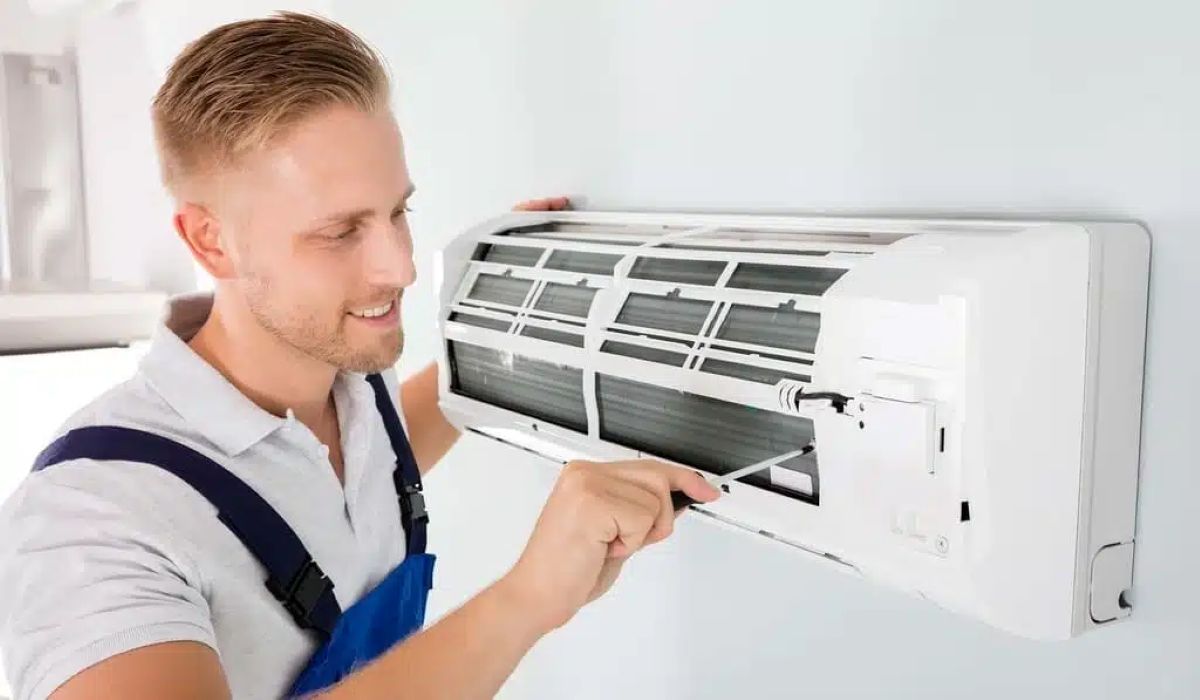
In the Hills, hot summers and cool winters make reverse-cycle air conditioning a common choice, especially when homeowners want year-round comfort without sacrificing interiors.
What does Air Conditioning Hills District actually mean?
It means a local, suburb-aware approach to cooling and heating solutions tailored to homes around Castle Hill, Baulkham Hills, Kellyville, Rouse Hill, Bella Vista, and Norwest. Air Conditioning Hills District typically covers quoting, load calculations, unit selection, installation, repairs, preventative maintenance, and ongoing support.
Because the area includes newer builds and established brick homes, providers often recommend different system types, airflow strategies, and outdoor unit placements to match the property.
Why do design-conscious homeowners care about Air Conditioning Hills District?
They care because good comfort should not ruin ceilings, sightlines, or room proportions. Air Conditioning Hills District is often as much about where vents go, how bulkheads look, and how controllers sit on feature walls as it is about kilowatts and refrigerant.
When it is planned early, a system can blend into joinery, align with lighting, and keep outdoor equipment discreet from entertaining zones.
Which system types are most common in the Hills District?
The most common are reverse-cycle split systems, ducted systems, and multi-head setups for homes with mixed needs. Air Conditioning Hills District work often involves matching the system to floor plan, ceiling space, and how the household uses rooms day to day.
Split systems suit single rooms and upgrades. Ducted suits whole-home comfort and cleaner walls. Multi-head suits homes wanting several indoor units with fewer outdoor units.
How is the right size and layout decided for a Hills home?
It is usually decided through a heat load assessment, room measurements, insulation checks, glazing, orientation, and occupancy patterns. Air Conditioning Hills District sizing should avoid guesswork, because oversizing can feel clammy and short-cycle, while undersizing can run constantly and still miss comfort targets.
Good layout planning also considers return air position, vent throw, and avoiding drafts onto beds, desks, and sofas.
What makes ducted air conditioning more “design-friendly”?
It can be design-friendly because only subtle grilles are visible, with the indoor fan coil hidden in the roof space. Air Conditioning Hills District ducted projects often focus on grille styles, linear slot options, symmetrical placement, and minimising bulkheads in hallways or living areas.
Zoning also supports design goals by conditioning only the spaces in use, which can reduce noise and prevent over-conditioning open-plan areas.
Where should outdoor units be placed to protect aesthetics and amenity?
They are best placed where airflow is clear, noise impact is low, and service access is practical, without dominating courtyards or pool areas. Air Conditioning Hills District installers often look for side passages, screened utility zones, or well-ventilated balconies for townhomes.
If screening is used, it should not choke ventilation. A neat enclosure that allows clearance can keep the façade clean while protecting performance.
What should homeowners ask to keep interiors looking clean?
They should ask about grille alignment, minimal soffit drops, condensate drain routing, and controller placement on non-feature walls. Air Conditioning Hills District planning can also include paintable grilles, discreet ceiling registers, and locating indoor units away from key sightlines.
For split systems, they can ask whether a compact indoor head suits the room proportions, and whether the pipe run can be concealed without awkward trunking.
How do zoning and smart controls help both comfort and design?
They help by reducing the need for multiple visible units and allowing rooms to be conditioned only when needed. Air Conditioning Hills District ducted systems often use zoning to separate bedrooms, living areas, and studies, which can prevent temperature battles across open spaces.
Smart controls can reduce wall clutter by consolidating scheduling and temperature management into one interface, while still keeping manual control simple for guests.
What energy-efficiency factors matter most in Australian conditions?
The biggest factors are correct sizing, efficient zoning, good insulation, sealed ductwork, and a realistic thermostat strategy. Air Conditioning Hills District households often benefit from using ceiling fans to improve perceived comfort and letting the system run steadily rather than blasting.
They should also look for high-efficiency models, and make sure the installer sets up airflow and static pressure correctly so the system performs as rated.
What maintenance should Hills District homeowners expect?
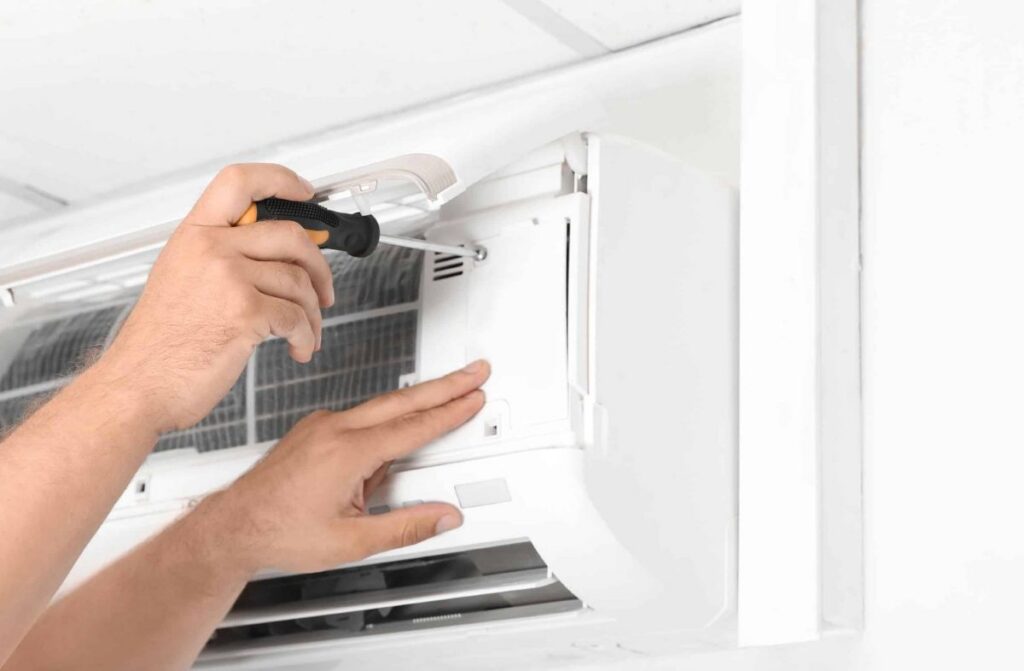
They should expect regular filter cleaning, annual inspections, and periodic deep cleans depending on usage, pets, and nearby construction dust. Air Conditioning Hills District servicing typically includes checking refrigerant pressures, electrical connections, drainage, duct integrity, and airflow balance.
Preventative maintenance can protect finishes too, because blocked drains can cause water staining, and dirty coils can reduce capacity and increase running costs.
What standards, licensing, and compliance should be checked in NSW?
They should confirm the contractor holds appropriate NSW contractor licensing and that the technician handling refrigerant is authorised for refrigerant work. Air Conditioning Hills District projects should also follow manufacturer requirements, Australian Standards, and local rules around electrical work and safe installation practices.
For strata or townhouses, they may also need body corporate approval for outdoor unit location, noise considerations, and visible changes to external walls.
What does Air Conditioning Hills District usually cost, and what drives price?
Costs vary based on capacity, brand, access, electrical upgrades, and how complex concealment needs are. Air Conditioning Hills District pricing commonly increases when roof access is tight, when long refrigerant runs are required, or when custom bulkheads and premium grilles are chosen for a specific interior style.
They can keep costs predictable by approving a clear scope that lists inclusions like zoning, drainage, controllers, and commissioning.
How can homeowners choose the right provider in the Hills?
They can choose by looking for transparent load calculations, clear design options, and evidence of tidy workmanship on similar Hills homes. Air Conditioning Hills District providers should be willing to discuss grille placement, noise expectations, and how the installation will protect floors, paint, and cabinetry.
They can also ask what commissioning steps are included, such as airflow balancing, zoning checks, and a walkthrough that explains filters and controller settings.
What is the simplest next step for a design-led air conditioning plan?
The simplest next step is a site visit that reviews floor plan, ceiling space, outdoor unit locations, and the home’s visual priorities before any brand or model is locked in. Air Conditioning Hills District planning works best when they share what matters most, such as clean ceilings, quiet bedrooms, hidden pipework, or preserving exterior lines.
With that clarity, they can get a system that looks considered, runs efficiently, and feels comfortable through Sydney’s seasonal swings.
Related : What Are Bed Frame and Mattress? A Quick Guide for Design-Conscious Homeowners

Leave a Reply