
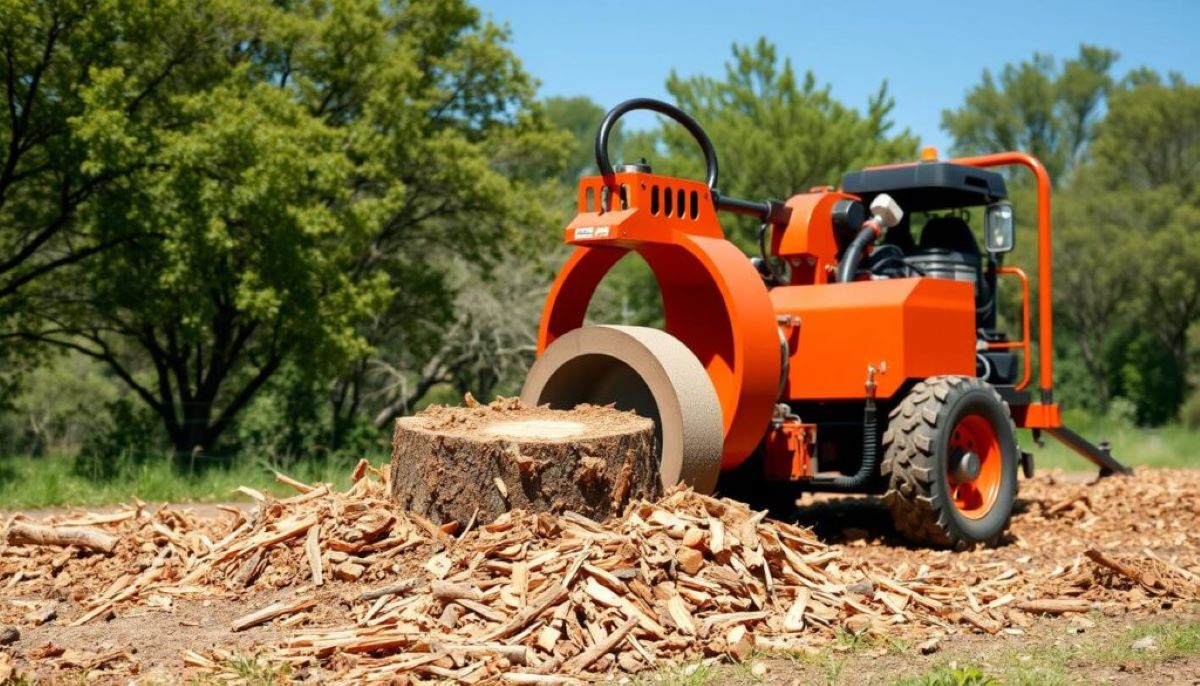
What makes stump grinding the best choice for design-focused gardens?
It is usually the least disruptive way to remove a stump while keeping surrounding landscaping intact. Compared with excavation, grinding can preserve nearby paving, garden edging, and established plants by targeting the stump rather than tearing up the whole area.
For homeowners planning a courtyard refresh in Sydney’s Inner West or a new lawn in the North Shore, Stump Grinding Sydney can support a neat outcome with less mess and a quicker return to normal use.
How deep should they ask the stump to be ground for their project?
They should match grinding depth to the next surface or structure. For turf, a common target is below the soil line so the lawn can be levelled and top-dressed; for new paving, decking, or a garden bed with edging, they may need a deeper grind to avoid future settling and uneven finishes.
When they book Stump Grinding Sydney, it helps to mention the exact plan for the area, such as lawn reinstatement, a concrete path, or a raised planter, so the depth suits the design.
What happens to the mulch, and should they keep it?
They can usually choose to keep the grindings as mulch or have them removed. The grindings are a mix of wood and soil, which can be useful in garden beds, but it is not always ideal for every design outcome.
If they want a crisp, minimal look with pebble groundcover, exposed aggregate, or a formal lawn edge, they may prefer removal and clean fill. Many Stump Grinding Sydney jobs look better when the finish includes fresh topsoil, compacting where needed, and a tidy border line.
How can stump grinding affect future landscaping like lawns, paving, or planting?
It can affect levels, drainage, and plant health if the site is not finished properly. After grinding, the ground may settle as remaining roots decay, which can create dips under turf or pavers.
They can reduce risk by asking for appropriate backfill and compaction, especially where people will walk or where pavers must stay flat. In Sydney’s wetter months, poor finishing can show up quickly as puddling, so Stump Grinding Sydney should be treated as a site-prep step, not just a removal task.
What should they know about access, noise, and protecting existing features?
They should plan for access width, surface protection, and short-term disruption. Many Sydney homes have side passages, stepping stones, or tight carports, and grinders vary in size.
They can ask how the team protects pavers, garden lights, irrigation lines, and painted fences from debris and scuffing. They should also check local noise expectations, especially in denser areas like the Eastern Suburbs where neighbours are close. A well-run Stump Grinding Sydney booking includes a simple access plan and clear boundaries around what stays untouched.
Do they need council approval or checks before grinding in Sydney?
They may not need approval for grinding itself, but they should confirm the tree’s status and any site constraints first. In some cases, the tree that created the stump may have been subject to council controls or part of a protected streetscape, and records can matter if disputes arise.
They should also consider underground services and strata rules for unit complexes. Before Stump Grinding Sydney starts, they can arrange service location checks and confirm the stump is on their property line, particularly in older suburbs where boundaries can be unclear.
How do they choose a stump grinding service that respects design outcomes?
They should choose a provider who talks about the finish, not just the grind. Design-conscious homeowners benefit from clear quotes that describe depth, cleanup, disposal, and restoration options.
It helps when they can share photos of the intended garden style, whether it is a Hamptons-inspired lawn edge, a native garden in the Hills District, or a modern courtyard in the CBD fringe. The right Stump Grinding Sydney provider will explain how they avoid gouging, how they leave a level base, and what follow-up steps they recommend.
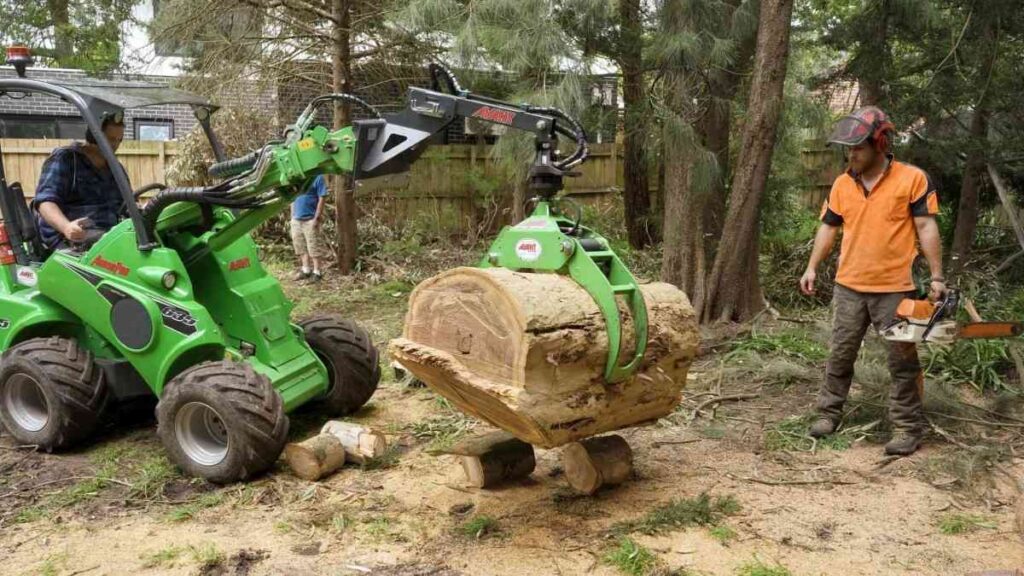
What should they do after grinding to get a clean, high-end look?
They should plan the final surface immediately so the area does not become a temporary eyesore. If the goal is lawn, they can level with quality topsoil, apply seed or turf, and keep traffic off until established; if the goal is a garden bed, they can top up with soil, define edges, and choose mulch that matches the overall palette.
For paving or decking, they can confirm base prep and allow for any settling before final installation. When Stump Grinding Sydney is paired with good finishing, the removed stump disappears from the design, not just the ground.
What are the top seven takeaways they should keep in mind?
They can think of stump grinding as a design decision, not a purely practical one. These seven points keep projects looking intentional:
- Grinding is often less disruptive than excavation for finished gardens.
- Depth should match what they will build or plant next.
- Grindings can be useful, but removal may suit cleaner designs.
- Finishing prevents dips, drainage issues, and uneven paving.
- Access and protection matter in tight Sydney properties.
- Checks for services, strata rules, and boundaries prevent headaches.
- The best results come from clear scope and a tidy restoration plan.
For homeowners aiming for a polished outdoor space, Stump Grinding Sydney works best when it is planned like any other visible part of the landscape.
More to Read : Tree Service Cost to Remove Tree vs DIY: Is It Worth Calling a Professional?

Leave a Reply