
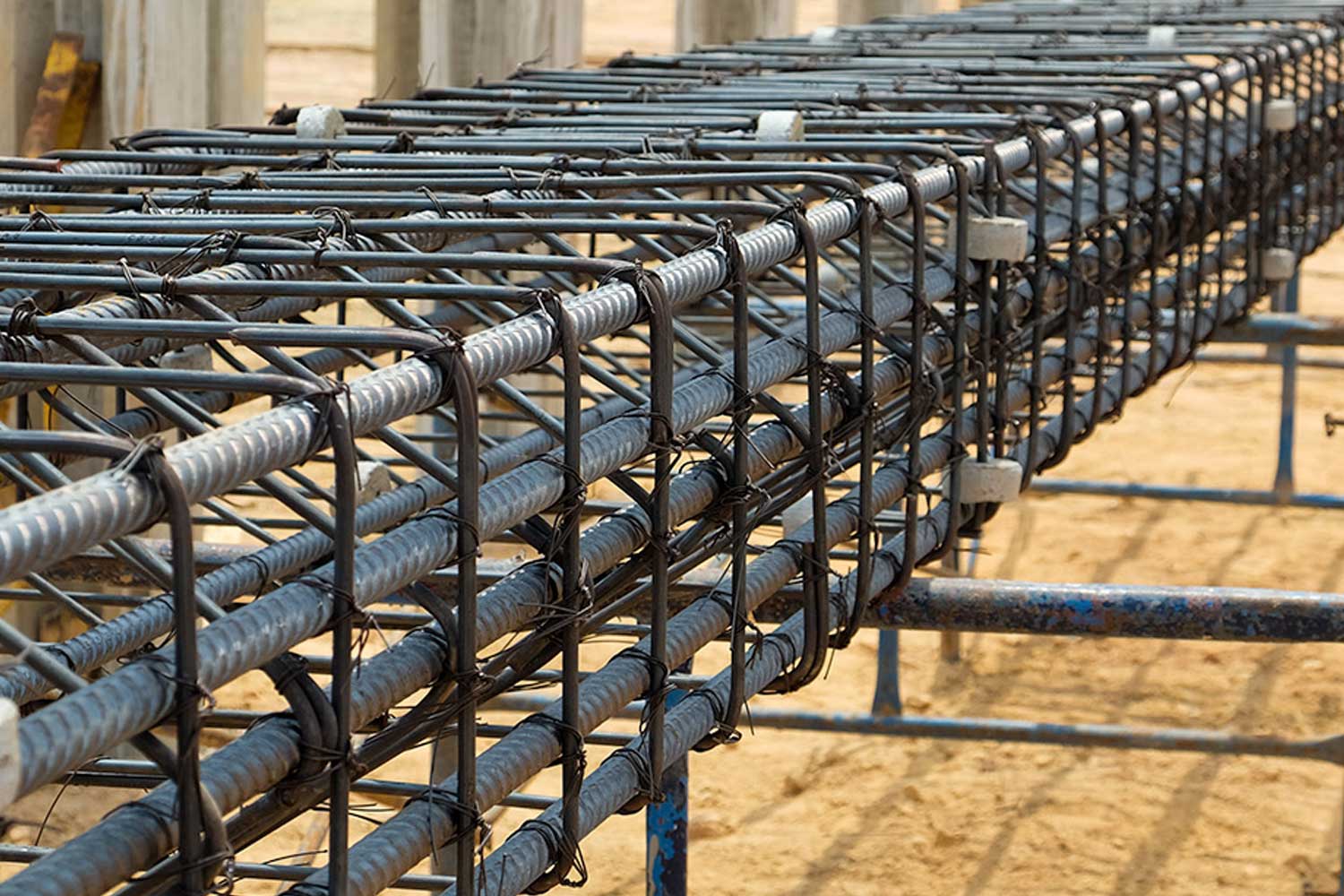
In many projects, formwork plywood is not a “cheap and cheerful” shortcut. It is a deliberate material choice that can shape the final aesthetic, especially when concrete or structural features are part of the design brief.
What is formwork plywood, and why do homeowners consider it?
Formwork plywood is a construction-grade plywood made to create moulds for poured concrete, usually with a sealed or film-faced surface for clean release. Homeowners consider it because the sheet size, surface consistency, and strength can suit modern detailing.
In Australia, it is common on builds where concrete walls, stairs, benchtops, or landscape elements are part of the architecture. They may also use it where a tough sheet material is needed in temporary works or protected structural applications.
Can formwork plywood look “high-end” in a design-led home?
Yes, formwork plywood can look high-end, but only when its finish is treated as a design feature rather than an afterthought. The surface can read as crisp and minimal, especially alongside black steel, off-form concrete, and neutral palettes.
Design-led outcomes depend on selecting the right grade, planning joint lines, and controlling edges. If the sheets are used visibly, they should avoid random patches, chipped corners, and inconsistent sheen that can make the result feel purely industrial.
Where does formwork plywood make the most visual impact?
It has the most impact where a repeated surface or a strong geometry is featured, such as off-form concrete walls, stair flights, or outdoor retaining elements. In coastal New South Wales or inner-Melbourne builds, they often want clean planes with subtle patterning.
If they are aiming for an architectural “board-formed” look, the plywood sheet layout matters as much as the concrete mix. The form face, tie spacing, and seams can become the texture that defines the whole space.
Is formwork plywood actually durable enough for residential projects?
It is durable in the role it is designed for, which is resisting moisture and pressure during concrete pours, but durability in a home depends on exposure and detailing. When installed in protected conditions, it can perform well as a tough sheet material.
If it is used in areas that see weather, UV, or ongoing moisture, they should treat it like an exterior material system, not a generic internal lining. Edge sealing and correct fixings matter because water usually enters at cut edges first.
How does it compare with “pretty” plywood like hoop pine or birch?
The difference is that decorative ply is chosen for natural grain and interior warmth, while formwork plywood is chosen for strength, consistency, and a sealed face. Decorative ply can look richer up close, but it is often less forgiving on site and more expensive for large areas.
For homeowners who want a refined interior timber feel, hoop pine is usually the better fit. For those who want crisp minimalism or concrete-focused design, formwork plywood can be the more practical partner material.
What are the key trade-offs design-conscious homeowners should accept?
They should accept that formwork plywood is not made to be admired like furniture timber, so it can show patches, repairs, and an industrial character. They may also see screw holes, edge lines, and handling marks if the sheets are exposed.
In return, they get a stable sheet with predictable behaviour and strong performance in demanding site conditions. The trade-off can be worth it when the aesthetic goal is honest, minimal, and structurally expressive.
Does formwork plywood save money, or is that a myth?
It can save money when it reduces labour, speeds form set-up, or allows larger pours with fewer failures, but it is not always the cheapest option per sheet. The real cost is tied to how many times it can be reused and how cleanly it performs.
For homeowners, savings are more likely if the builder already works efficiently with it. If they are paying for redesigns, rework, or patching to “make it look nice,” the cost advantage can disappear quickly.
What should they ask their builder or architect before specifying it?
They should ask whether formwork plywood will be used only temporarily for forming, or whether it will be a visible finish or a retained element. That single decision changes the grade, handling, and expectations.
They should also ask how joints will be set out, how edges will be sealed, and what the finished look will be in real photos, not just renders. In Australian conditions, they should confirm how moisture, ventilation, and termite management intersect with the detail.
See Also : LVL Formwork: What Sets the Best Options Apart
Which Australian conditions can cause problems if the details are wrong?
High humidity, wind-driven rain, and strong sun can all punish poorly detailed sheet goods. In Brisbane and along the coast, moisture management is often the make-or-break factor, especially at edges and penetrations.
In hotter zones, UV exposure can degrade coatings and lead to surface checking if it is used externally without protection. In southern climates, repeated wet-dry cycling can still swell edges if they are left unsealed or sitting in standing water.
Can formwork plywood be used indoors without looking “site-like”?
Yes, but it needs an intentional approach: clean edges, aligned joints, and a consistent coating system. If it is used as a feature, they should treat it like a finished lining rather than leftover material.
Many design-conscious homeowners prefer to keep it to utility-adjacent areas such as garages, workshops, or concealed structural zones. If it appears in living spaces, it usually works best when balanced with softer textures like wool, linen, or oak flooring.
What finishes or treatments help it suit a premium home?
A clear matte finish can reduce the raw “construction” feel while keeping the honest look. Where film-faced sheets are involved, they should confirm compatibility with coatings because some surfaces resist adhesion.
Edge sealing is essential, and it should be done before installation, not after swelling occurs. If they want colour, a high-quality enamel system can create a clean, modern plane, but it will highlight dents and screw patterns, so substrate preparation matters.
Is formwork plywood a sustainable choice in Australia?
It can be, but it depends on sourcing, certification, and how efficiently it is used. If formwork plywood is reused multiple times on site, that can reduce material waste compared with single-use alternatives.
They should look for suppliers that provide clear chain-of-custody certification and avoid unknown imports with vague documentation. It is also worth considering end-of-life plans, because some film faces and adhesives can complicate recycling pathways.
When is formwork plywood not worth it for design-conscious homeowners?
It is usually not worth it when the goal is a warm, tactile timber statement in living spaces or when they cannot control build quality. If the project team is not experienced with clean off-form outcomes, the final look can feel rough rather than refined.
It is also a poor choice when it will be exposed to weather without a robust protection strategy. In those cases, a purpose-made exterior cladding system may perform better and age more gracefully.
Other Resources : Policy update – Robust ICT systems
So, is formwork plywood worth it for design-conscious homeowners?
For many Australian builds, formwork plywood is worth it when the design leans into concrete, clean geometry, and honest materials, and when the team plans the finish from day one. It can deliver strong visual impact and practical performance without forcing “showpiece timber” costs.
If they want a premium result, they should specify it carefully, protect edges, and treat the layout like part of the architecture. Used that way, formwork plywood can look intentional, not improvised.

Leave a Reply