
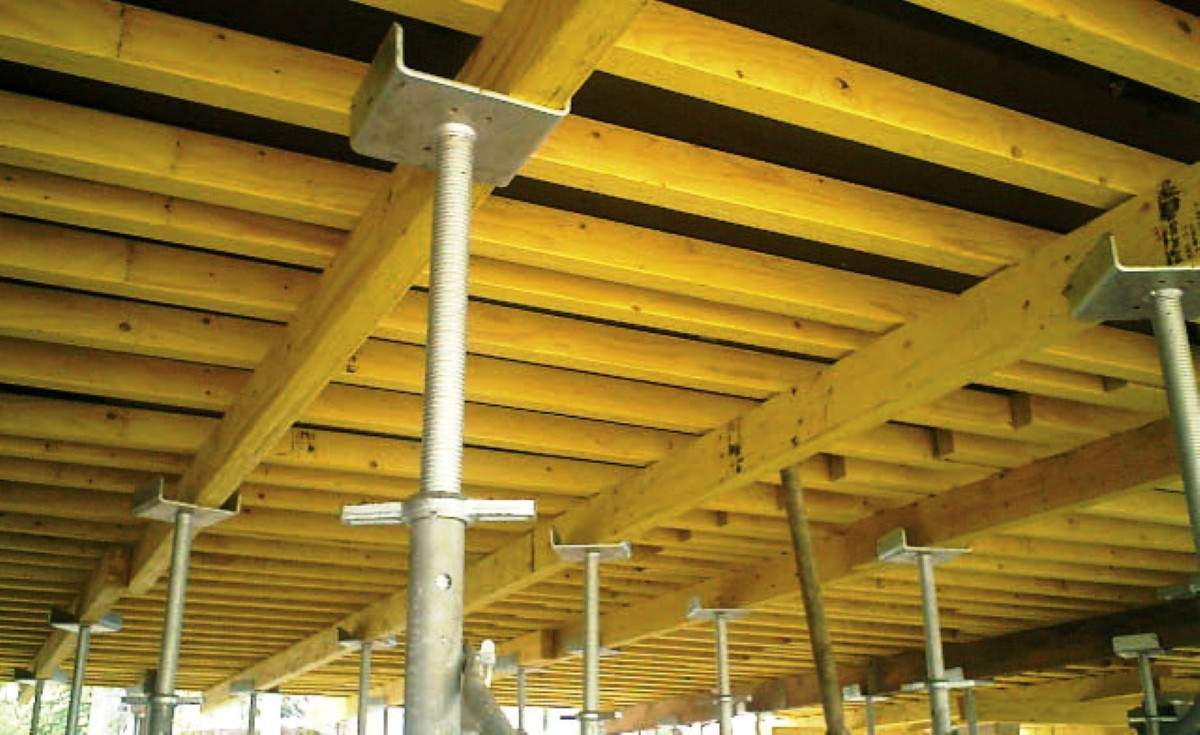
What separates top-performing systems is usually a mix of beam quality, protective finishes, documentation, and how well the supplier supports real-world handling.
What is LVL formwork, and why do Australian crews use it?
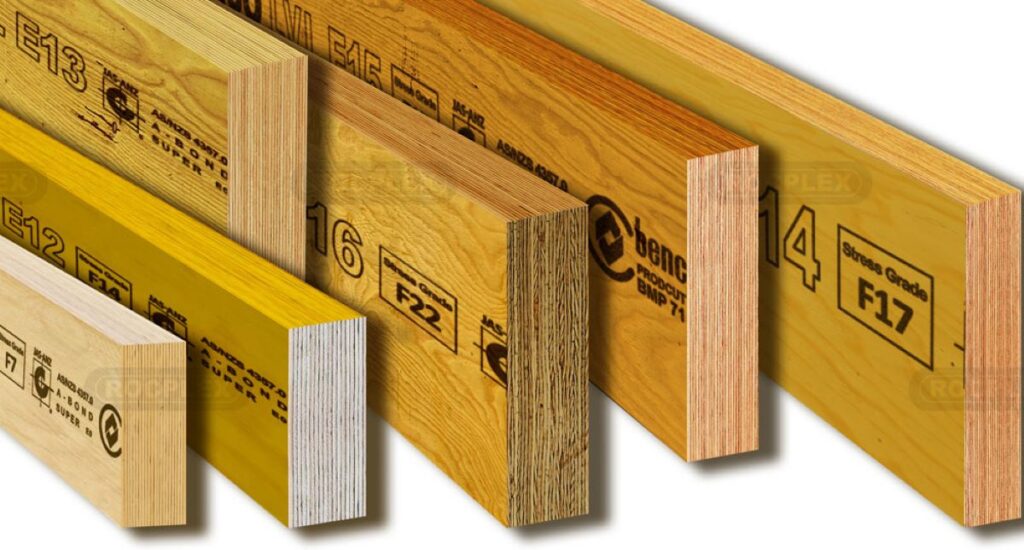
LVL formwork is formwork built around laminated veneer lumber members that are engineered for strength and consistency. Australian crews use it because it is straighter than many solid timber alternatives, it is reliable from piece to piece, and it suits repeat pours.
It is commonly used for slabs, soffits, beams, and wall formwork support where predictable deflection matters.
What actually makes one LVL formwork option “better” than another?
The best LVL formwork is defined by consistency, durability, and traceability rather than marketing claims. Better options hold their shape, resist edge damage, and keep performance stable over multiple cycles.
They also arrive with clear specs, load tables, and handling guidance that match Australian practice, which reduces guesswork for supervisors and formwork designers.
Which engineering properties should they check before they buy?
They should prioritise stiffness, bending strength, and straightness, because those factors drive deflection and finish outcomes. For LVL formwork, predictable modulus of elasticity and tight manufacturing tolerances usually matter more than headline strength alone.
They should also check allowable spans, bearing requirements, and any limitations around notching or drilling, because site modifications can void performance assumptions.
How do protective coatings and edge sealing affect performance on site?
Good coatings and sealed edges directly extend service life by reducing moisture uptake, swelling, and delamination risk. With LVL formwork, most early failures start at damaged edges, unsealed cuts, or repeated wet-dry cycling.
Better options either arrive well protected or are supported by a clear site process for resealing cuts after trimming, especially during wetter periods in coastal NSW, SEQ, or Tasmania.
What role does moisture management play in Australian conditions?
Moisture is a major separator because Australian sites can swing from hot, dry days to sudden rain, with high UV in many regions. LVL formwork performs best when it is stored off the ground, covered, and allowed to dry between cycles.
If they let members sit in puddles or bake unprotected in full sun, they will see faster surface checking, reduced reusability, and more time wasted sorting stock.
How can they judge reusability and lifecycle cost, not just purchase price?
They should count cycles, labour, and waste, then compare that to the upfront rate. LVL formwork that lasts longer often wins even if it costs more, because fewer replacements mean less downtime, fewer urgent deliveries, and less site variation.
They can also track how often they need to plane, patch, or reject pieces, because those hidden costs usually exceed the gap between basic and better-grade stock.
What should they look for in supplier documentation and compliance?
They should expect clear load tables, product identification, and guidance that fits Australian codes and common engineering practice. For LVL formwork, traceability matters because it helps designers and site teams confirm they are using the same product that the calculations assumed.
They should also look for consistent labelling and batch information so site teams can separate mixed stock and avoid “unknowns” being used in high-risk areas.
How does straightness and dimensional consistency affect set-out and finish?
Straight members speed up set-out, reduce packing, and help keep soffits true, which improves concrete finish and reduces remedial grinding. With LVL formwork, small variations can compound across a deck, especially where spans are tight and tolerances matter.
Better options reduce the need for on-the-fly adjustments, which is where delays and safety risks often creep in.
What handling practices separate high-performing crews from the rest?
They protect edges, lift correctly, and avoid impact damage, because drops and forklift tines cause the failures that coatings cannot fix. LVL formwork should be moved with proper lifting points, stored flat with dunnage, and kept bundled to prevent warping.
They also enforce a simple rule: any cut ends get resealed promptly, and any damaged pieces are quarantined before they re-enter circulation.
How do they choose the right LVL formwork for slabs versus walls?
They should match the member size and spacing to the pour geometry, loads, and pour rate, not just use one “standard” across everything. LVL formwork for suspended slabs typically prioritises stiffness and deflection control, while wall support needs attention to lateral loads and fixings.
Better options come with the right accessories, compatible hardware, and clear limitations so supervisors can keep systems consistent between crews.
What questions should they ask before committing to a bulk order?
They should ask for load tables, typical cycle expectations, coating details, and what the supplier recommends for resealing and repairs. For LVL formwork, they should also confirm lead times and whether the supplier can keep the same specification across repeat orders.
They should ask how claims are handled if pieces arrive damaged or out of tolerance, because that response often reveals whether the supplier is set up for commercial sites.
How can they avoid the most common mistakes that reduce LVL formwork life?
They should stop water pooling, stop dragging members across concrete, and stop using damaged beams in primary load paths. LVL formwork lasts longer when they control storage, handle with care, and inspect stock at each strike.
They should also avoid uncontrolled site modifications such as deep notches, over-drilling, or ad hoc fixings, because those changes can undermine the assumptions behind span and load guidance.
See Also : Health and Social Policy Ad Hoc Grants
What is the simplest way to tell if they are looking at a “best” option?
A “best” option usually looks boring in the right way: consistent, straight, clearly labelled, and supported by proper documentation and realistic site guidance. LVL formwork that performs well tends to reduce daily friction, which shows up as fewer props, fewer packers, and fewer arguments about why levels moved.
If it helps them pour on time, strip cleanly, and reuse with confidence, it is doing what the best options do.
What should they take away when comparing options in Australia?
They should compare performance over cycles, not just the invoice line. LVL formwork is at its best when the product, the documentation, and the handling practices all line up with Australian site realities.
If they focus on straightness, protection, traceability, and supplier support, they will usually end up with a system that costs less to run, even if it costs more to buy.
More to Read : Is Formwork Plywood Worth It for Design-Conscious Homeowners?

Leave a Reply