
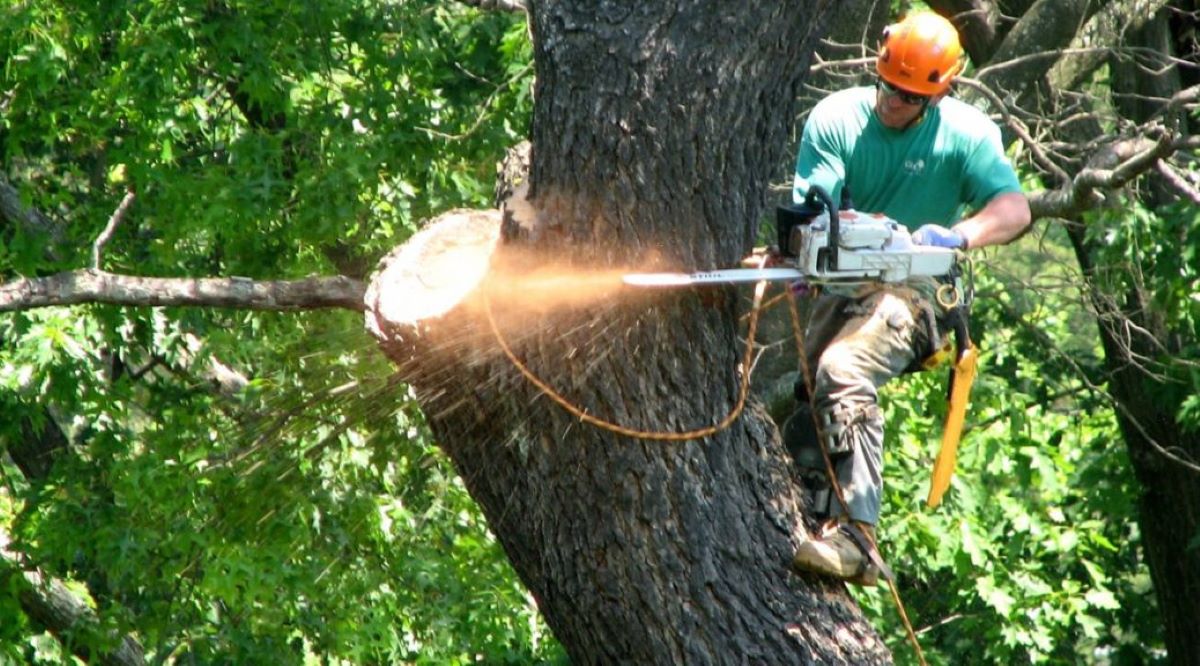
The goal is to find a team that prioritises safety, compliance, and long-term tree health, not just speed. The tips below help Australians choose a tree lopping provider that will do the job properly and leave the property safer than they found it.
What should they confirm about licensing, insurance, and safety before they start?
When comparing tree lopping near me services, they should confirm their insurances, safety systems, and the role of qualified staff before any cutting begins. A reputable tree lopping provider will volunteer this information and put it in writing if asked.
At minimum, they should carry public liability insurance and workers compensation appropriate for their work, not just general “handyman” cover. They should also explain how they manage hazards like powerlines, falling limbs, traffic, and access on sloped or wet blocks.
They should be able to describe their process for isolating the work zone and keeping people away from drop areas. If they appear casual about safety gear, rigging, or lookout roles, that is a red flag.
They should also clarify who will actually be on-site. If they quote the job but subcontract to someone else without telling the client, quality and accountability can slip.
How can they show they understand council rules and Australian tree protections?
They should be upfront about permits and local rules because these vary widely across Australia. A good tree lopping provider will ask where the property is located and whether there are overlays, easements, or known protected species.
In many councils, removing or heavily pruning certain trees can require approval, especially if the tree is above a specified trunk diameter or is considered significant. They should never suggest “just do it and no one will know,” because the homeowner can still be held responsible.
They should also consider whether the tree is near boundaries, shared fences, or neighbouring structures. In suburban areas of Sydney, Melbourne, Brisbane, Perth, Adelaide, Canberra, Hobart, and regional centres, disputes can start when a limb crosses a fence line or drops debris onto the neighbour’s side.
If they know their work may need approval, they should explain the likely pathway, what documentation helps, and what they can do within the rules. A reliable tree lopping provider treats compliance as part of the job, not an optional extra.
What questions help confirm they will choose the right method, not just the fastest cut?
They should be able to explain the method they plan to use and why it suits the tree and the site. The right tree lopping provider does not default to heavy cutting when a lighter, targeted prune would reduce risk and preserve structure.
Clients can ask what outcome they are aiming for. Is it clearance from a roofline, reducing limb weight over a driveway, improving canopy balance, or managing storm risk before summer? Their answer should sound specific, not generic.
They should also explain how they will avoid poor pruning practices that can shorten a tree’s life. Random topping, flush cuts, and removing too much canopy can cause stress, rapid weak regrowth, and higher failure risk later.
A capable tree lopping provider will talk about keeping clean cuts, removing branches back to suitable junctions, and maintaining a safe canopy shape. They should also mention seasonal considerations where relevant, because timing can affect tree response and pest pressure. Check out more about Tree removal and protection.
How can they prove they have relevant experience for that exact tree and property?
They should be able to point to recent work on similar trees and similar sites, ideally in the same region. A trustworthy tree lopping provider can share photos, explain challenges, and describe how they handled access, rigging, and clean-up.
Experience matters more when the tree is close to a home, leaning, storm-damaged, or near services like NBN cables and overhead power. They should be comfortable discussing their approach to controlled lowering, rope systems, or use of elevated platforms where access requires it.
They should also show they understand Australian species differences. A eucalypt behaves differently to a jacaranda, camphor laurel, or ornamental pear, and the pruning approach should reflect that. If they treat every tree the same, the results often look rough and can create future hazards.
They should also explain what they will do with the waste. Mulching on-site, green waste removal, and stump grinding are often separate services, so a clear scope avoids surprise costs.
What should their quote include so there are no surprises later?
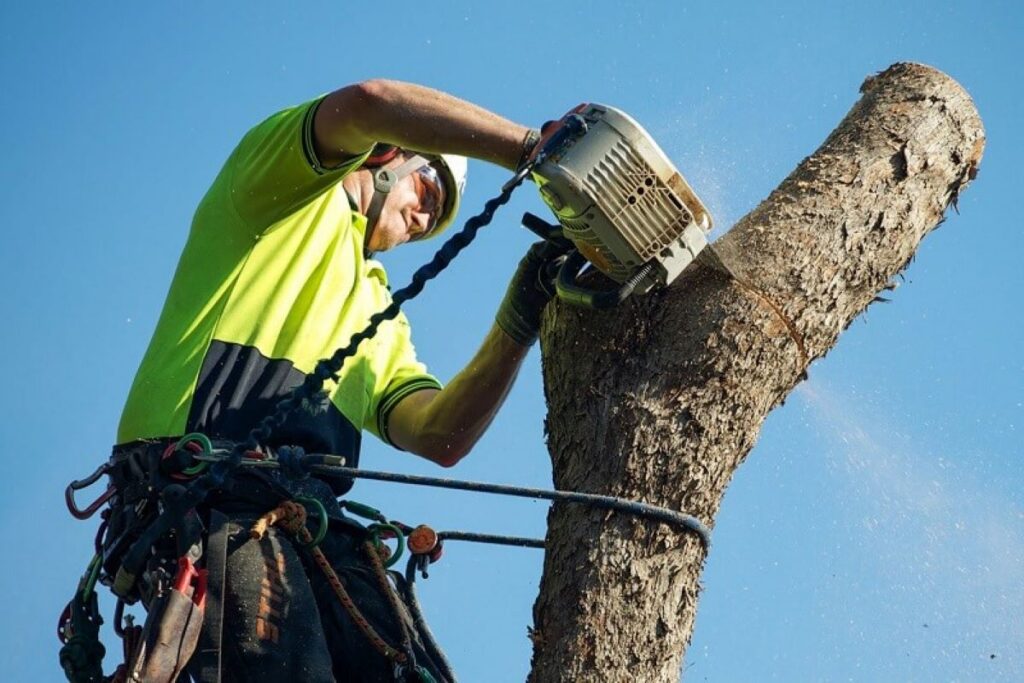
They should provide a written quote that clearly states what is included and what is not. A professional tree lopping provider will itemise the scope so the client can compare like for like.
The quote should specify which trees are included, what type of work will be done, and whether debris removal is part of the price. It should also state whether they will cut timber into manageable lengths, remove logs, or leave firewood onsite.
They should include access assumptions, such as whether they need a clear driveway, side gate width, or permission to bring machinery onto lawns. If they need to park a truck or chipper in a specific spot, they should flag it early.
They should also explain what could change the price, such as discovering internal rot, a hidden cavity, or unsafe access once they inspect from close range. A good tree lopping provider will still avoid vague “extra charges may apply” language without explaining the triggers.
See Also : Operating farming machinery, equipment and vehicles
How can they be assessed quickly for professionalism and communication?
They can be assessed by how they communicate before the job, not after it. The best tree lopping provider will answer questions directly, explain risks calmly, and avoid pressure tactics.
They should arrive on time for the quote or message to reschedule. They should listen to the client’s goals and point out trade-offs, such as the difference between reducing risk and changing the tree’s appearance.
They should also be clear about timelines. In many Australian areas, demand spikes after storms and during high-growth seasons, so they should give realistic lead times.
They should also describe their clean-up standards. “We’ll tidy up” can mean anything, so it helps if they state whether they rake lawns, blow paths, remove sawdust from decks, and take away smaller twigs. A reliable tree lopping provider treats the clean-up as part of the service, not an afterthought.
What are the three best “tip checks” they can run before booking?
They can run three quick checks that filter out most risky operators. These checks help identify a tree lopping provider who is safe, compliant, and worth the spend.
First, they can ask for proof of insurance and confirm it matches tree work, not unrelated trade work. Second, they can ask how they handle council rules and whether permits may apply at that address. Third, they can ask them to explain the method and the expected end result, in plain language, before any money changes hands.
If the answers are clear and consistent, it is usually a good sign. If they dodge details, rush the decision, or promise outcomes that sound unrealistic, it is safer to keep looking for a better tree lopping provider. Check out more about top 7 things design-conscious homeowners should know about stump grinding Sydney.
How should they make the final decision with confidence?
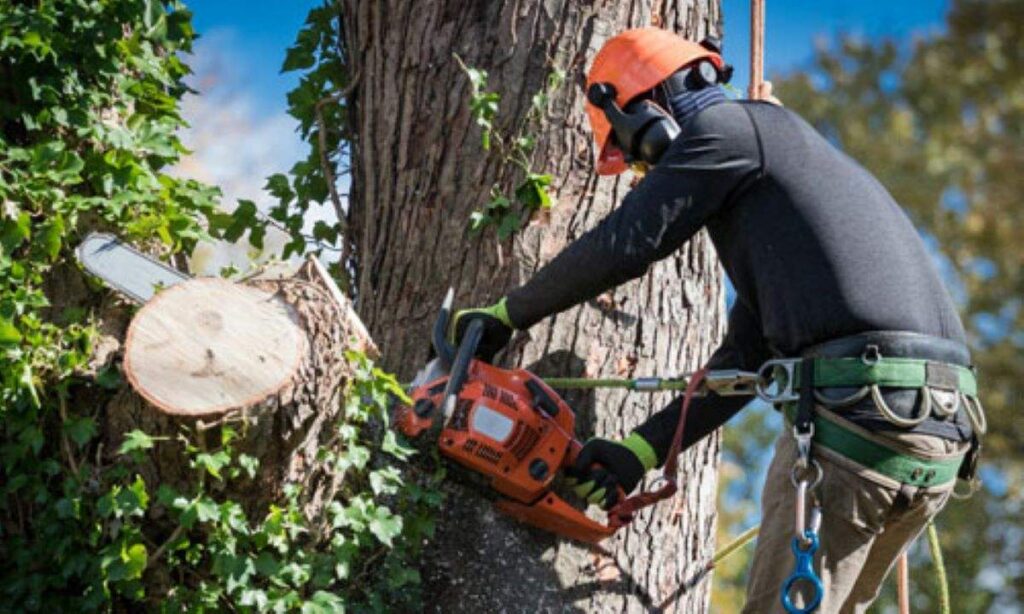
They should choose the provider whose approach best matches safety, compliance, and long-term outcomes, not just the cheapest number. In practice, the right tree lopping provider will show they understand the tree, the property, and the local requirements, and they will document the scope properly.
Before booking, they should compare at least two quotes and re-read what each quote includes. They should also confirm the date, start time, who will attend, and what access they need on arrival. When those basics are locked in, the job typically runs smoothly, and the property ends up safer and cleaner.

Leave a Reply