
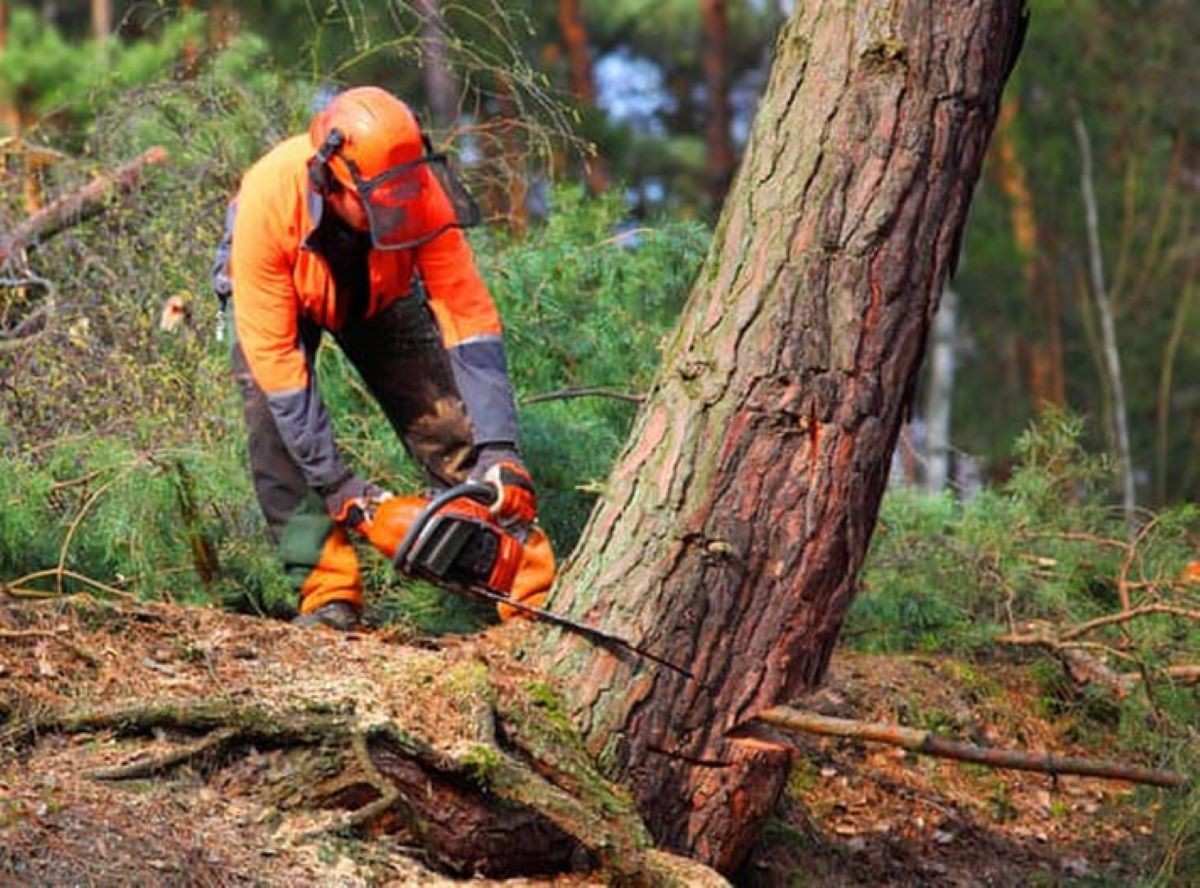
This guide compares DIY and professional options in plain terms, so they can decide based on safety, money, and the reality of their site.
What does the tree removal cost in Australia usually include?
The tree removal cost to remove tree typically covers labour, equipment, traffic control if needed, and safe disposal of timber and green waste. Many quotes also include basic site cleanup, while stump grinding and wood splitting are often add-ons.
In most Australian suburbs, the final price is shaped by tree height, trunk diameter, ease of access, proximity to buildings, and whether rigging or an elevated work platform is required.
How much is the tree removal cost for small, medium, and large trees?
As a general guide, the tree removal cost for a small tree is often lower because the crew can fell it in one piece and chip branches quickly. Medium trees usually require sectional removal, and large trees can involve cranes, advanced rigging, and longer crew time.
In Australia, the jump from “medium” to “large” is where costs can climb fast, especially in tight backyards common in Sydney, Melbourne, and Brisbane.
Why can two quotes for the same tree removal cost look so different?
Two businesses can price the same job differently because they’re not always quoting the same scope. One quote might include green waste removal, while another assumes the client keeps the timber. One might include stump grinding, another excludes it.
Insurance, crew size, equipment, and travel time also influence the tree removal cost, particularly for regional properties outside major centres.
What DIY costs do they forget to budget for?
DIY rarely means “free,” even if they already own a chainsaw. Common forgotten costs include trailer hire, tip fees for green waste, PPE upgrades, fuel, chain sharpening, and replacing damaged gear.
If they need to climb, add harnesses, ropes, ladders, and potentially a hired cherry picker. When those items stack up, the gap to a professional tree removal cost often shrinks.
What are the biggest safety risks of DIY tree removal?
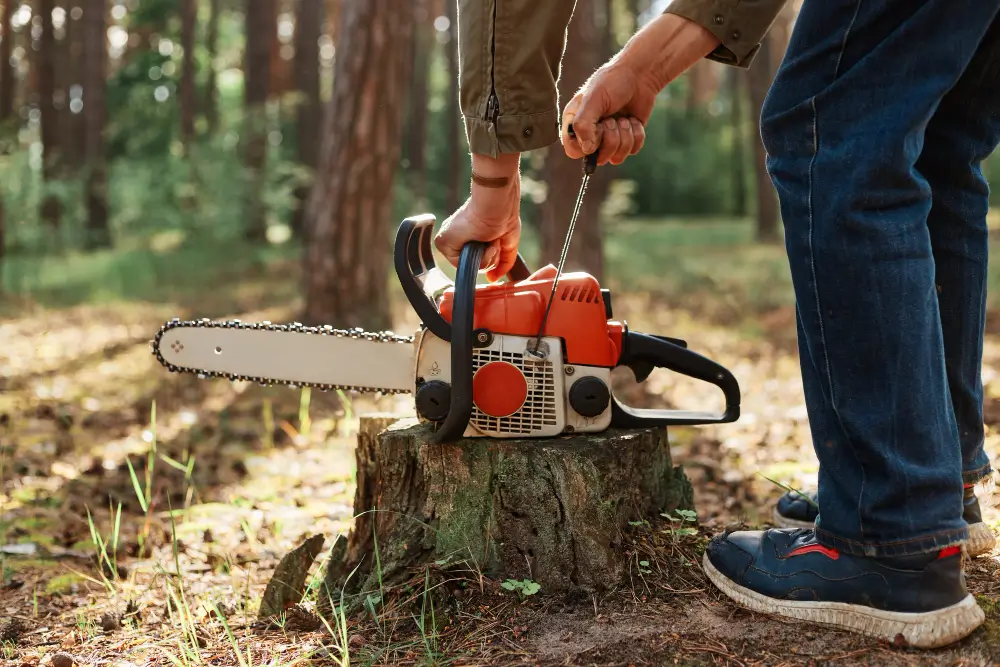
DIY tree removal is risky because trees fail unpredictably under tension. Limbs can spring, trunks can barber-chair, and a misjudged hinge can send the tree the wrong way. Falls are also a major hazard, especially when cutting above shoulder height.
In Australia, the risk rises sharply when the tree is near a house, fence, shed, pool, or powerlines.
What legal and council rules might apply in Australia?
They may need council approval to remove or heavily prune a tree, depending on the local council and whether the tree is protected. Many councils regulate significant trees by species, trunk diameter, or heritage controls.
If they remove a protected tree without approval, penalties can exceed the original tree removal cost, and they may also be required to replace the tree.
How do powerlines change the decision to DIY or hire a professional?
If branches are near overhead lines, DIY should be off the table. In Australia, only qualified line-clearance arborists and authorised crews should work within exclusion zones near electricity infrastructure.
A professional quote might look higher, but that tree removal cost is buying controlled rigging, compliance, and a far lower chance of catastrophic harm or liability.
When does DIY tree removal make sense?
DIY can make sense when the tree is small, clear of structures, and they can safely fell it in one direction with a clean escape path. It also helps if they have experience, correct PPE, and a realistic plan for cleanup and disposal.
Even then, they should be honest about fatigue. Many DIY injuries happen at the end of the job, when they rush to finish.
When is paying the tree removal cost clearly worth it?
Paying the tree removal cost is usually worth it when the tree is large, dead, leaning, close to buildings, or split into multiple stems. It’s also worth it when access is poor, such as narrow side gates, sloped blocks, or dense gardens.
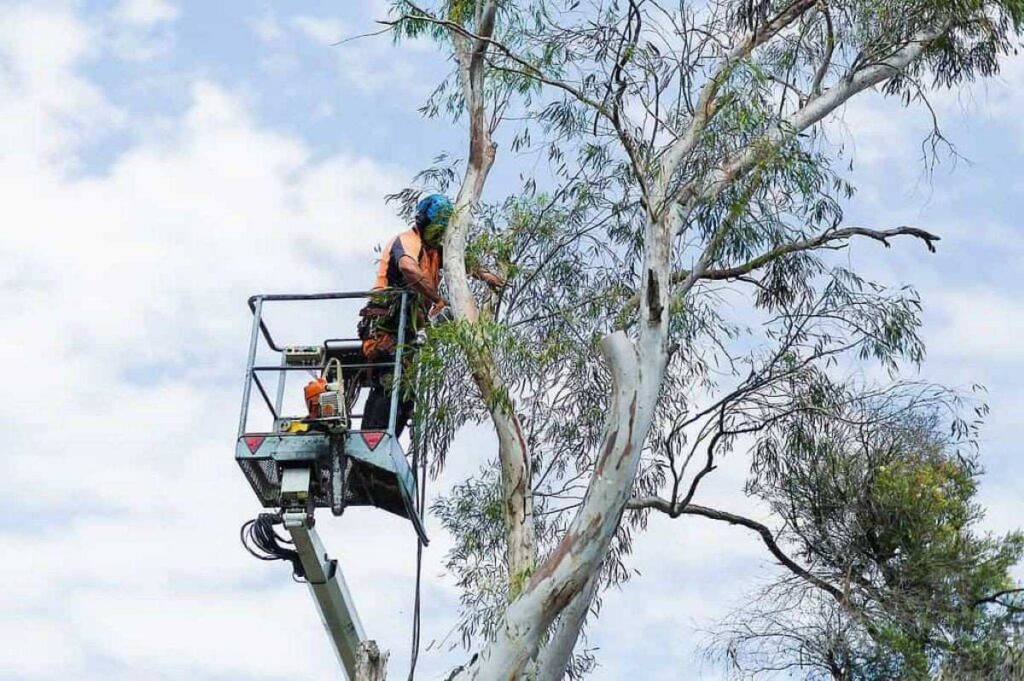
Professionals bring rigging systems, chippers, stump grinders, and a trained crew that can dismantle the tree in controlled sections rather than “hoping it falls cleanly.”
What’s the real difference between an arborist and a handyman with a chainsaw?
An arborist is trained to assess tree structure, decay, load, and safe cutting methods. They also work with ropes, friction devices, and rigging techniques designed for controlled lowering.
A handyman may offer a cheaper price, but if something goes wrong, the client can still wear the consequences. In many cases, a properly insured arborist makes the tree removal cost a safer purchase. Check out more guide to managing the risks of tree work.
How can they reduce the tree removal cost without increasing risk?
They can reduce the tree removal cost by clarifying what they actually need. If they’re happy to keep firewood, ask to leave manageable rounds on-site. If stump removal can wait, split the job into two stages.
They can also bundle multiple trees or combine pruning and removal in one visit. In Australian metro areas, scheduling during quieter periods can sometimes help with availability and pricing.
What should they ask for in a quote to compare tree removal cost properly?
They should ask whether the tree removal cost includes green waste removal, wood chipping, site cleanup, and tip fees. They should also confirm if stump grinding is included and what depth is covered.
It’s smart to check insurance details and whether the business will handle council permits if required. A clear quote reduces surprises and makes comparisons fair.
What’s a practical way to decide: DIY vs professional?
They can use a simple test. If the tree cannot be felled safely in one direction, if it requires climbing, if it’s within reach of structures, or if powerlines are nearby, hiring a professional is the safer call.
If it’s genuinely small and clear, DIY may be viable, but only if they price it properly. Once they add time, disposal, and risk, the professional tree removal cost often looks more reasonable.
So, is it worth calling a professional for tree removal?
For many Australian households, yes. The tree removal cost can feel steep until they compare it with equipment hire, tip fees, property damage risk, and the personal safety stakes.
DIY can work for small, simple removals, but anything complex is a job for trained, insured professionals. When the site is tight or the tree is hazardous, paying the tree removal cost is often the cheapest outcome in the long run.
Related : What Is Stump Grinding? A Quick Answer for Design-Conscious Homeowners

Leave a Reply